
The Hand Drill Press: A Practical Guide
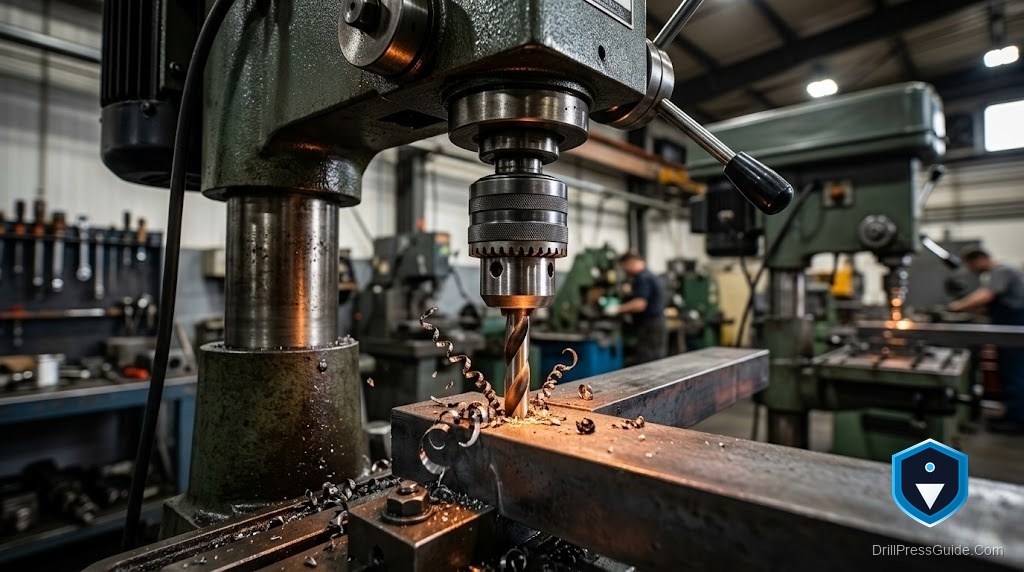
The term hand drill press gets used for a few different things, and that is exactly why people searching for one end up confused. Sometimes it means a small manual, human-powered drilling machine. Sometimes it means a stand or attachment that turns a handheld drill into a benchtop press. And sometimes it is just someone reaching for words to describe the manual, lever-fed drill press they already own. Sorting out which one you mean is the first step to getting the right tool and using it well, so this guide walks through each sense of the hand drill press and how to make it work.
At its root, a hand drill press is a drilling setup that gives you the accuracy of a press, holding the drill square to the work and feeding it in a straight line, in a smaller, simpler, often human-powered or hand-fed form than a full motorized floor machine. The common thread across the different meanings is that a press guides and squares the drill so the hole goes in straight, which is the whole reason a press beats freehand drilling. Once you know which form you have or want, the choices and technique fall into place.
The three things people mean
Before choosing or using one, identify which hand drill press you are talking about.
A manual, human-powered drill press. A small geared machine you turn by hand, the post drill or hand-crank press of the pre-electric era, still useful for off-grid drilling in metal. If this is what you mean, it is its own category with its own restoration and technique.
A drill press stand for a handheld drill. A stand or guide that clamps your existing electric hand drill and feeds it up and down like a press, giving press-like squareness and depth control without a dedicated machine. This is the budget, space-saving route for occasional accurate holes.
A manual, lever-fed benchtop press. A standard electric drill press, which is hand-fed, you pull the feed lever by hand, which some people call a hand drill press to distinguish it from an automatic-feed machine. This is simply a normal press.
Name which one you have, and the rest of the advice applies to that form.
What each form is good for
Match the form to the work. The manual human-powered press suits off-grid metal drilling and those who want a hand tool with no cord, drilling accurate holes with muscle at slow, metal-friendly speeds. The drill press stand suits someone who owns a good handheld drill, drills only occasionally, and wants press accuracy cheaply and in little space, accepting that it is less rigid and precise than a real press. The lever-fed benchtop press suits anyone doing regular drilling who wants a proper, accurate machine. Choosing honestly among these prevents both overbuying and disappointment.
Getting accurate holes from a hand drill press
Whatever form you have, the fundamentals of accurate drilling are the same, and they matter more on a lighter, hand-operated setup. Mark and center-punch the hole so the bit starts where you intend, since a punch mark keeps the bit from wandering, which is more likely on a less rigid hand setup. Hold the work in a drill press vise or clamp it down rather than gripping it, both for safety and because a hand-fed machine gives you less control over a grabbing bit. Feed steadily and not too hard, letting the bit cut, and use sharp bits, since a hand-powered or lightly built machine has little force to spare for a dull bit. Use cutting oil on metal.
Restoring or setting up your hand drill press
If your hand drill press is a vintage human-powered machine that has been sitting, getting it working is mostly cleanup: free the gummed grease and remove rust from the gears, feed, and spindle with a chelating remover like Evapo-Rust, then re-grease and mount it solidly. If it is a drill press stand, mount it to a solid bench, set your handheld drill in it squarely and locked, and check that it feeds without racking. If it is a lever-fed benchtop press, square the table to the spindle and set the depth stop. In every case, a solid, square setup is what lets the tool deliver the accuracy that makes a press worth using.
Conclusion
The hand drill press is really three tools wearing one name: a manual human-powered machine, a stand that turns a handheld drill into a press, and the ordinary lever-fed benchtop press. Sorting out which you mean is the key to choosing well, since each suits different work, off-grid metal drilling, occasional accurate holes on a budget, or regular drilling on a proper machine. Whichever form you have, the same fundamentals deliver accurate holes: punch the mark, clamp the work, feed steadily with sharp bits, and set the tool up solid and square. Name your hand drill press, match it to your work, and use it with those basics, and it gives you the straight, accurate holes a press is for.
Three takeaways: hand drill press can mean a human-powered machine, a stand for a handheld drill, or an ordinary lever-fed press, so identify which you mean; match the form to your work; and in every case punch the mark, clamp the work, and feed steadily with sharp bits for accurate holes.
Frequently Asked Questions
What is a hand drill press? The term covers three things: a small manual, human-powered drilling machine; a stand that clamps a handheld electric drill to feed it like a press; and, loosely, an ordinary lever-fed benchtop drill press. All guide and square the drill for straight holes.
Is a drill press stand for a hand drill any good? For occasional accurate holes on a budget and in little space, yes, if you already own a good handheld drill. It gives press-like squareness and depth control, though it is less rigid and precise than a dedicated drill press.
What is a manual hand-powered drill press good for? Off-grid drilling and metal work with no cord, at slow, metal-friendly speeds. These post-style machines drill accurate holes with muscle and suit barns, demonstrations, and shops without power.
How do I get accurate holes from a hand drill press? Center-punch the mark so the bit does not wander, clamp the work in a vise, feed steadily without forcing, use sharp bits, and use cutting oil on metal. These matter even more on a lighter, hand-operated setup.
How do I set up a drill press stand for a handheld drill? Mount the stand to a solid bench, set the drill in it squarely and locked, and check that it feeds up and down without racking. A solid, square setup is what gives the press-like accuracy you bought it for.
How do I restore a vintage hand-powered drill press? Mostly cleanup: free the hardened grease, remove rust from the gears, feed, and spindle with a chelating remover, re-grease, and mount it solidly. Confirm the gears and feed are sound first, since those are hard to replace.
References
- VintageMachinery.org, machine tool references and literature. http://vintagemachinery.org
- CRC Industries, Evapo-Rust Rust Remover product information. https://www.crcindustries.com/evapo-rust/


